

The alcohol abuse is a silent epidemic in Iowa and the United States. It does not simply influence social life or mental condition. Long-time consumption of alcohol has serious consequences in the body. The severe physical effects of alcohol addiction are not known to many individuals. Long-term alcohol consumption harms body organs, degrades the immune system and affects normal functioning.
These effects are in the long run. There is liver disease, cardiac issues and brain damage. Alcohol interferes with the absorption of nutrients, makes individuals fatigued and reduces immunity. Its effects may be experienced even by moderate drinkers over time.
The positive thing is that there is hope of a change. Good care, proper nutrition, and consistent support heal the body. There are several forms of treatment options in Iowa.
This article describes the physical effects of alcohol addiction, describes symptoms and offers remedies. Its aim is to assist people in the process of recovery through effective, safe, and actionable measures.
Understanding the Physical Effects of Alcohol Addiction
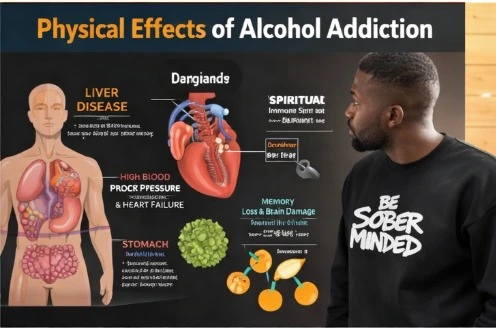
Alcohol has an impact on nearly all body organs. These effects are important to understand in order to prevent and recover.
1. Liver Damage
The metabolism of alcohol involves the liver. This sustained alcohol use may be crushing. The initial one is fatty liver. When untreated, it can lead to alcoholic hepatitis and a liver disease. The symptoms include fatigue, anemia, and swelling of the abdomen. Liver disease can prove to be fatal. It is critical to intervene on time. It means that the liver can be healed through nutrition and supplements to heal itself.
2. Heart Problems
Alcohol increases blood pressure. It induces irregular heartbeats and weakness of heart muscles, referred to as cardiomyopathy. Persistent alcohol consumption causes one to heart attack and heart failure. The immediate consequences are increased heart rate and lightheadedness. Dietrich can guard the heart by cutting down alcohol and having a healthy diet to sustain cardiovascular health.
3. Brain and Neurological effects
Alcohol disrupts the functions of the brain. Memory impairment, inability to make good decisions and confusion are prevalent. However, long-term use alters neurotransmitters, which becomes mood altering. There tend to be anxiety, depression and sleep disorders. The brain can be brought back to work with time and the use of nutritional supplements and therapy.
4. Digestive System Issues
The stomach is irritated with alcohol. It may lead to gastritis, ulcers and chronic acid reflux. It also attacks the pancreas and the intestines. The lack of vitamins and minerals is a consequence of the deficiency of the absorption of nutrients. The supplements are aimed at renewing these nutrients and they recover strength and health.
5. Immune System Suppression
Long-term alcohol consumption decreases immunity. There are infections, slow wound healing, and respiratory problems. Vitamin C and D supplements and mineral supplements are useful to restore immunity. Diet and hydration (healthy) are also essential in recovery.
6. Changes in weight and Metabolism
Alcohol adds empty calories. It interferes with the metabolism and may result in gaining or losing weight. The abdominal and liver fat is normal. The metabolism would be beneficial as well as exercise and nutritional support.
Common Symptoms to Watch For
Identify red flags in the initial stages. The physical consequences of alcohol addiction could be:
- Tiredness and lack of strength.
- Yellowing of skin and eyes
- Tremors and nervousness
- Digestion and loss of appetite
- Common infections
- Mood swings and cognitive problems
- Unexplained weight changes
Early detection ensures that it can be intercepted and serious harm can be avoided.
Physical Effects of Alcohol Addiction: Solutions and Treatments in Iowa
The process of recovery must involve a plan. Iowa is a state that provides various choices to assist people in overcoming the addiction to alcohol.
1. Medical Detoxification
Detox is the first step. It eliminates alcohol in a safe way under the supervision of the doctor. The withdrawal effect may be very strong: tremors, nausea, anxiety, and even seizures. Iowa has hospitals and rehab centers where they offer structured detox programs. Medical advice eliminates risks, and the medical advice prepares the body to heal.
2. Nutritional Support
Alcohol is a drain on important nutrients. Your store stocks include vitamins, minerals and herbal aids and are beneficial in the support of liver and general healing. They restore what alcohol has ruined. The basis of restoring energy, immunity, and health of organs is nutrition.
3. Behavioral Therapy and Counseling
Behavioral therapy is a treatment of the psychological aspect of addiction. CBT assists in the modification of destructive habits and thoughts. Iowa is full of alcohol recovery counselors. Therapy is useful in developing coping capabilities, averting relapse and maintaining sobriety.

4. Lifestyle Adjustments
Exercise promotes wellness. One has to exercise regularly, sleep and manage stress. There should be no social drinking, and also there should be no stressful situations. Mental and Physical health are possible by means of mindfulness practices, meditation, and hobbies.
5. Regular Health Checkups
Follow-up visits by the medical specialists aid in the monitoring of liver, heart and brain health. Early identification of complications enhances or improves results. Medical care can be used in combination with nutritional support, which guarantees a complete healing process.
Using Supplements and Natural Aids
Supplements are natural complements of treatment. Benefits include:
- Prefers liver detoxification.
- Making the patient more animated and more awake.
- Alternatives to vitamins and minerals.
- Enhancing the immune system.
This can be an approach to your Spiritual Minded Nutrition stores. They are conducive, protective, and recovery-oriented.
Avoiding Long-Term Damage
Addiction recovery is not just cessation of alcohol consumption. It has to do with avoiding irreparable harm. Steps include:
- Adhering to the treatment plans.
- Eating well and taking supplements.
- Exercising and dealing with stress.
- The involvement in the continuous counseling and peer support.
The physical effects of alcohol addiction make the issue of early detection important. Lasting health is bound to be achieved through long-term commitment.
Conclusion
Alcoholism is not a psychological or emotional problem only; it is a severe physical one. Physical effects of Alcohol addiction that can cause death when not taken seriously. The risks of chronic alcohol usage are liver disease, heart issues, brain damage or weakened immunity.
With the correct strategy, recovery can be achieved. It is based on medical detox, therapy, peer support and lifestyle change. Our store stock of nutritional supplements will give natural assistance, helping the body correct itself.
Symptoms in Iowa can be treated early and health and vitality could be restored. Integration of professional care, natural aids, and personal commitment provides people with the most opportunities to struggle with addiction. Healing is achievable. Life after alcohol can be healthier, stronger, and full of energy.
Connect With Us on Social Media
Follow us on social media to be motivated, be up-to-date, and be part of an encouraging community of people that focus on recovery and well-being. So, join us today and make a journey to a healthier, sober life!
Follow and connect here:
Visit our shop below to get the foundation you need!
 English