

The process of addiction recovery is a long-term process that needs patience, encouragement and realistic direction. A great number of individuals start the recovery process with a high level of motivation. They attend detox programs or rehab treatments and have a bright outlook on the future. Nevertheless, as soon as they come back to their daily environment, new challenges start emerging. Recovery is hard to keep up with due to stress, emotional stimuli, social pressures and individual struggles.
In societies such as Des Moines in Iowa, there are people struggling to put their lives together after being addicted. They usually discover that standard treatment programs are useful during the initial phases but might not support them throughout the treatment upon completion. Such a gap may complicate the process of individuals remaining on track and preventing relapse.
It is there that sobriety coaching comes in very handy. A sobriety coach is somebody who gives one the personalized guidance, accountability, and real-life techniques to keep a person dedicated to recovery objectives. Rather than concentrating on the treatment sessions alone, coaching assists individuals in getting through their daily life situations, which might be a problem to their sobriety.
What Is Sobriety Coaching?
Sobriety coaching is a custom-made support mechanism aimed at assisting people to remain free from addiction. Also, a sobriety coach is an individual that is in close contact with the clients and makes them accountable and goal-oriented.
Coaching, in contrast to traditional therapy, is based on the pragmatic solutions and the daily improvements. Coaches assist people to find difficulties and devise pragmatic plans to eliminate the difficulties.
This gives an opportunity to people to be guided in a similar manner as they face real-life circumstances. Hence, clients do not engage in battling problems on their own, but they have a person who checks and motivates them to improve.
The Growing Importance of Sobriety Coaching in Recovery
The concept of addiction recovery has been transformed in the last ten years. Specialists have come to the realization that short-term treatment programs are not enough in long-term recovery.
A lot of them successfully pass detox or rehabilitation. But the real struggle can be seen once the normal life has been resumed. Triggers can be identified in old habits, social settings and emotional dilemmas in a very short period.
Sobriety coaching has a role to play here. With the aid of coaching, individuals are meant to remain focused on recovery even after discharge from treatment programs.
A lot of people in Des Moines are working, taking care of family and recovering. Moreover, they require counseling that would fit into their lives. The support provided through coaching is flexible to fit each case of the person.
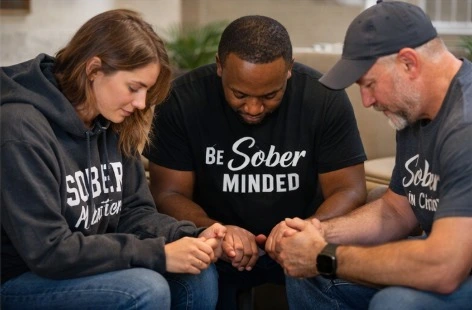
Key Benefits of Sobriety Coaching for Long-Term Recovery
The variety of benefits coaching offers is one of the primary reasons why coaching has become so popular among recovery communities. Also, a sobriety coach assists people to remain focused on their recovery purposes as they go through their daily lives.
It is possible to mention the following:
- Responsibility: Frequent visits assist patients in being dedicated to their recovery strategies.
- Personal instructions: Recovery plans are addressed to the individual and their problems.
- Emotional support: Coaches assist in motivation during bad times.
- Habit formation: Clients will be shown how to develop habits that will promote their physical and mental well-being.
- Real-life problem solving: Coaches assist individuals to locate stress or trigger management in healthy ways.
Such advantages make a good support system that allows people to continue the progress.
How Sobriety Coaching Helps Prevent Relapse
Relapse is among the greatest obstacles that individuals encounter in the recovery of addiction. It does not occur due to the fact that a person is not determined. So, it occurs in most instances due to the fact that people are unprepared to manage some of the triggers.
Sobriety coaching assists people to identify and deal with these triggers, using them before causing them to relapse.
Common triggers include:
- Work-related or family-related stress.
- The social settings that have the presence of substances.
- Psychological problems like isolation or depression.
- Significant life alterations or surprises.
A coach collaborates with clients to develop workable plans of dealing with such situations. These approaches can be mindfulness practices, more effective coping styles, or routines that are less stressful.
Sobriety Coaching as a Complement to Traditional Treatment
A combination of various types of support is the best way to achieve addiction recovery. Community support groups, medical treatments and therapy are all significant in recovery.
Nevertheless, these situations do not stop people who live with their daily problems. Therefore, sobriety coaching is the potential complement to conventional treatment in this place.

Therapists pay attention to emotional recovery and psychological problems, whereas coaches pay attention to the real actions and change of lifestyle. All these strategies combined would create a balanced recovery strategy that would meet both emotional and practical needs.
Selecting the appropriate Sobriety Coaching Program
The search for a coach is a significant part of the recovery process. Not all the programs provide the same level of support and experience. There are various considerations that people ought to make in choosing a coach.
Look for a coach who:
- Practical addiction recovery experience.
- Needs to know relapse prevention methods.
- Gives individual recovery strategies.
- Speaks sympathically and respectfully.
- Offers distance learning or online courses.
It will be possible to make the process of overcoming it easier and more effective with the help of an experienced, helpful coach.
The Future of Sobriety Coaching and Recovery Support
The science of addiction recovery is still developing since professionals acquire increased knowledge on the subject of long-term recovery. Nowadays, practitioners realize that recovery does not have to do with just the cessation of substances. It is concerning to have a normal and satisfying existence.
Due to this change of mindsets, coaching is emerging as a key constituent of recovery support systems. The communities in the United States, and the one in Des Moines, are becoming aware of the importance of continuous guidance and accountability.
The need to have flexible and practical recovery support will drive the demand of coaching services, and it is likely that this trend will be on the rise. This will ensure that the individuals remain focused on their aims and acquire the abilities that can ensure their permanent sobriety.
Conclusion
The recovery process of addiction is a lifelong process that must be committed, supported and practical. Although the treatment programs are offering a very necessary baseline, there are numerous people who require guidance to sustain the programs.

That is why sobriety coaching has become a necessary tool for individuals who strive to reach long-term recovery. Coaching is a source of accountability, one-on-one support, and viable tools that assist individuals to cope with the daily challenges.
Getting access to such guidance can really enhance recovery for the individuals of Des Moines. With a supportive coach, people will be able to cope with triggers, create healthier routines, and gain the confidence to take a step.
Connect With Us on Social Media
Follow us on social media to be motivated, be up-to-date, and be part of an encouraging community of people that focus on recovery and well-being. So, join us today and make a journey to a healthier, sober life!
Follow and connect here:
Visit our shop below to get the foundation you need!
 English